

- 博客访问:3532
- 博文数量: 991
- 用 户 组: 普通用户
- 注册时间:2026-08-26
- 认证徽章:
携程


分类: 梅兰芳
重口味
【透视社·头条】大搞权钱交易、将政协委员资格等私相授受,正部级“老虎”董云虎被提起公诉_我的网站

一 |
What explains China's growing appeal?
For many developing countries, China offers a practical development partnership centered on infrastructure, investment, industrialization, technology transfer and trade. Rather than prescribing a single pathway to modernization, it has generally emphasized allowing countries to pursue development in line with their national priorities.
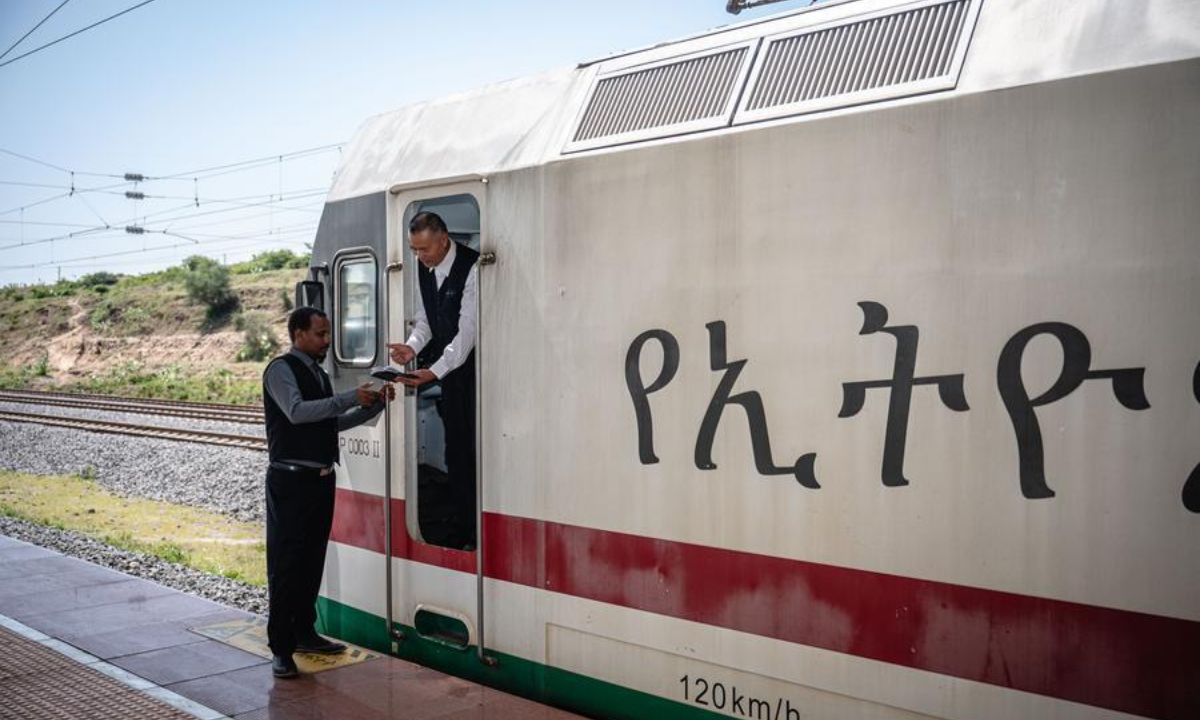
One reason China's influence has grown is that its development model is highly visible. From Ethiopia's railways to Pakistan's power plants, Chinese-financed projects address everyday development challenges by improving transport, energy security and connectivity. Through the Belt and Road Initiative, China has mobilized nearly 1 trillion U.S. dollars in infrastructure investment, producing projects that citizens can see, use and associate with economic progress.
The distinction lies not only in the scale of investment but also in the evolving priorities of development cooperation. While many Western partners have increasingly emphasized economic security, strategic de-risking, private-sector mobilization and governance reform, China has combined large-scale investment in physical infrastructure with technology transfer, industrial cooperation and human capital development.
At the same time, China has actively promoted trade by expanding market access, including granting zero-tariff treatment to many least-developed countries, deepening currency-swap arrangements, and encouraging the use of local currencies in cross-border trade. Together, these measures seek to strengthen economic connectivity, reduce transaction costs and exchange-rate risks, and create new opportunities for developing countries to integrate into regional and global value chains.
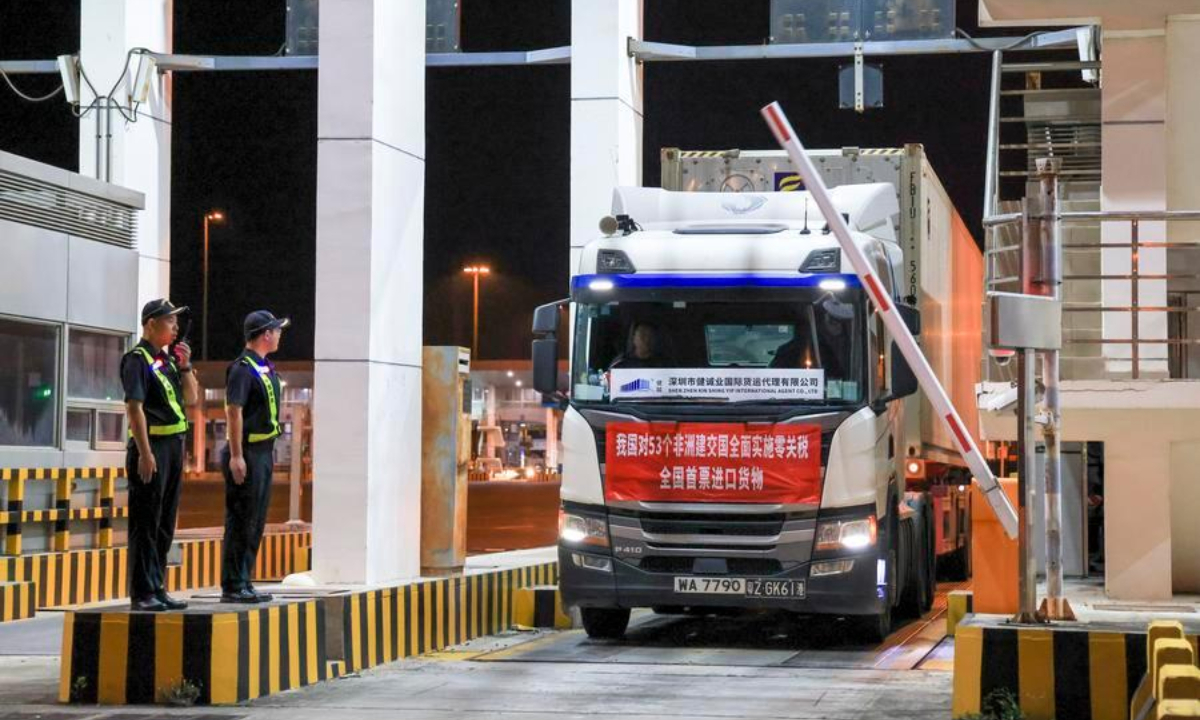
This integrated approach has produced tangible improvements in productivity, connectivity and local capacity, reinforcing perceptions of China as a long-term development partner.
Equally important is the philosophy underpinning China's engagement. Beijing consistently emphasizes sovereignty, mutual respect and non-interference, maintaining that every country should determine its own political and development path. For many governments across the Global South, this approach is a partnership based on equality rather than political conditionality, allowing them greater policy space to pursue domestic development priorities.
Diplomatic style has also influenced perceptions. Through mechanisms such as the Forum on China-Africa Cooperation and regular engagement with Pacific Island countries, China has committed itself to equality and shared development. For many governments in the Global South, that sense of respect and recognition is not merely symbolic -- it contributes to long-term political trust.
Perhaps the most important nuance is this: the Global South is not becoming anti-American; it is becoming strategically pragmatic. Its foreign policy decisions are increasingly guided by national interests, economic opportunity, and development priorities rather than Cold War-style geopolitical alignment.
The Global South's primary ambition is neither ideological nor geopolitical -- it is developmental. Governments want to create jobs, eliminate poverty, modernize infrastructure, strengthen industrial capacity and improve the quality of life for their citizens. China's transformation over the past four decades, from lifting hundreds of millions of people out of poverty to becoming a global leader in infrastructure, manufacturing and technology, has demonstrated what sustained long-term planning can achieve. Consequently, many developing countries are looking to China not as a model to replicate wholesale, but as a development partner from which they can learn, cooperate and pursue shared prosperity while preserving their own policy autonomy.
This contrast is also reflected in broader policy priorities. At a time when many Western governments are increasingly emphasizing tariffs, export controls, technology restrictions, sanctions and economic security, China has continued to promote infrastructure investment, trade, industrial cooperation, technology partnerships, open-source AI initiatives and greater access to its domestic market. Whether one agrees with either approach or not, many developing countries evaluate partnerships primarily through the lens of economic development and tangible outcomes. That difference in emphasis is helping reshape global perceptions.
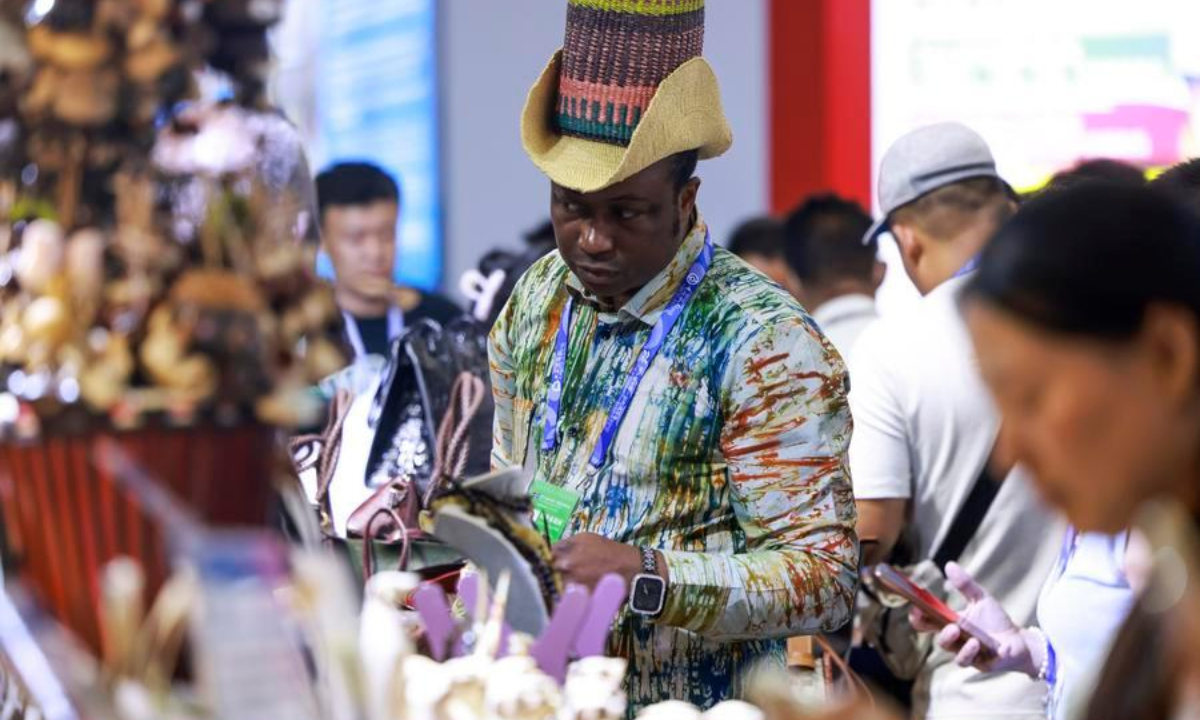
The world is changing, and the transition toward a more multipolar international order is becoming increasingly evident. The Global South is no longer a passive participant in world affairs. Its countries are exercising greater strategic autonomy, making decisions according to their own national interests, development priorities and the aspirations of their people. In China, developing countries have found a true friend and good partner.
Editor's note: Maya Majueran serves as the director of the Belt and Road Initiative Sri Lanka, an independent and pioneering organization with strong expertise in Belt and Road Initiative advice and support.
。

二 | 4月24日消息,上海市人大常委会原党组书记、主任董云虎涉嫌受贿一案,由国家监察委员会调查终结,经最高人民检察院指定,由安徽省合肥市人民检察院审查起诉。近日,合肥市人民检察院已向合肥市中级人民法院提起公诉。 检察机关起诉指控:被告人董云虎利用担任中央外宣办(国务院新闻办)七局局长,西藏自治区党委常委、宣传部部长,上海市委常委、宣传部部长,上海市政协党组书记、主席,上海市人大常委会党组书记、主任等职务上的便利,为他人谋取利益,或者利用职权、地位形成的便利条件,通过其他国家工作人员职务上的行为,为他人谋取不正当利益,非法收受他人财物,数额特别巨大,依法应当以受贿罪追究其刑事责任。 公开资料显示,董云虎出生于1962年12月,浙江仙居人,曾任中央对外宣传办公室副主任、国务院新闻办公室副主任,西藏自治区党委常委、宣传部部长,上海市委常委、宣传部部长等职,2018年1月任上海市政协主席,2023年1月任上海市人大常委会主任。 2023年7月,61岁的董云虎于任上被查,12月被开除党籍、公职。 经查,董云虎丧失理想信念,背离初心使命,违背党中央关于人民政协工作的部署要求,将政协委员资格等私相授受,在政治上造成不良影响,对党不忠诚不老实,对抗组织审查,搞迷信活动; 无视中央八项规定精神,违规收受礼品礼金,大肆接受可能影响公正执行公务的宴请;违反组织原则,在组织函询时不如实说明问题,违规为他人职务晋升提供帮助; 廉洁底线失守,长期占有公物,由他人支付应由其个人支付的费用,搞权色交易;干预和插手司法活动; 贪婪无度,把公权力当作谋取私利的工具,大搞权钱交易,利用职务便利为他人在融资贷款、土地出让、企业经营等方面谋利,并非法收受巨额财物。 据媒体报道,就在落马前两天,董云虎还赴上海某单位调研并与专家学者座谈交流。

三 | 值得一提的是,董云虎是二十大以来首位落马的正部级“老虎”,也是二十大以来上海首“虎”。 (透视社综合中央纪委国家监委网站、央视新闻、浙江日报·潮新闻、长安街知事报道) 编辑/视频:刘淞菱校对:李旭颖 审核:龚紫陌。
Current article:http://egzpg.longdachemakuanshan.pics/list_jt3/0azq4.html
Published on:08:29:53
- 【仓单】8月26日上期所沪锡期货仓单较上一日增长241吨
- 机票退改新标准计划年内出台,要求平台在旅客支付前主动公示退改费率
- 印度与中俄伊合作,美担心的事情发生
- India on Track to Challenge China’s Dominance in Solar Energy Sector, Minister Says
- 日本福岛核污染水三年排放超17万吨:还剩123.5万吨!
- 黄仁勋再次演唱:摩尔定律不复存在
- 正安:长桌杀猪宴开席啦,暖心送别避暑游客!
- 国旗下的故事 | 预防诺如病毒 呵护健康成长
- Lisa of BLACKPINK to Make Film Debut in Action Movie Extraction: Taigo
- 奇異誓「奏」響凱歌
- 斥资4200万欧元 西汉姆签下意甲第六号射手
- 不是输不起!英媒曝贝林厄姆动手原因:巴尔科赛后挑衅图赫尔
- 与LV三公子恋情曝光?谷爱凌晒图辟谣
- 黔南州22岁小伙陆佳豪在篮球赛中突然倒地后离世,陆父:孩子倒地半个多小时后,才有急救车辆到现场处置;目前家属已接受18.8万元赔偿方案
- 외국인 비중 70%…롯데호텔, ‘K-트래블’ 혜택 강화


